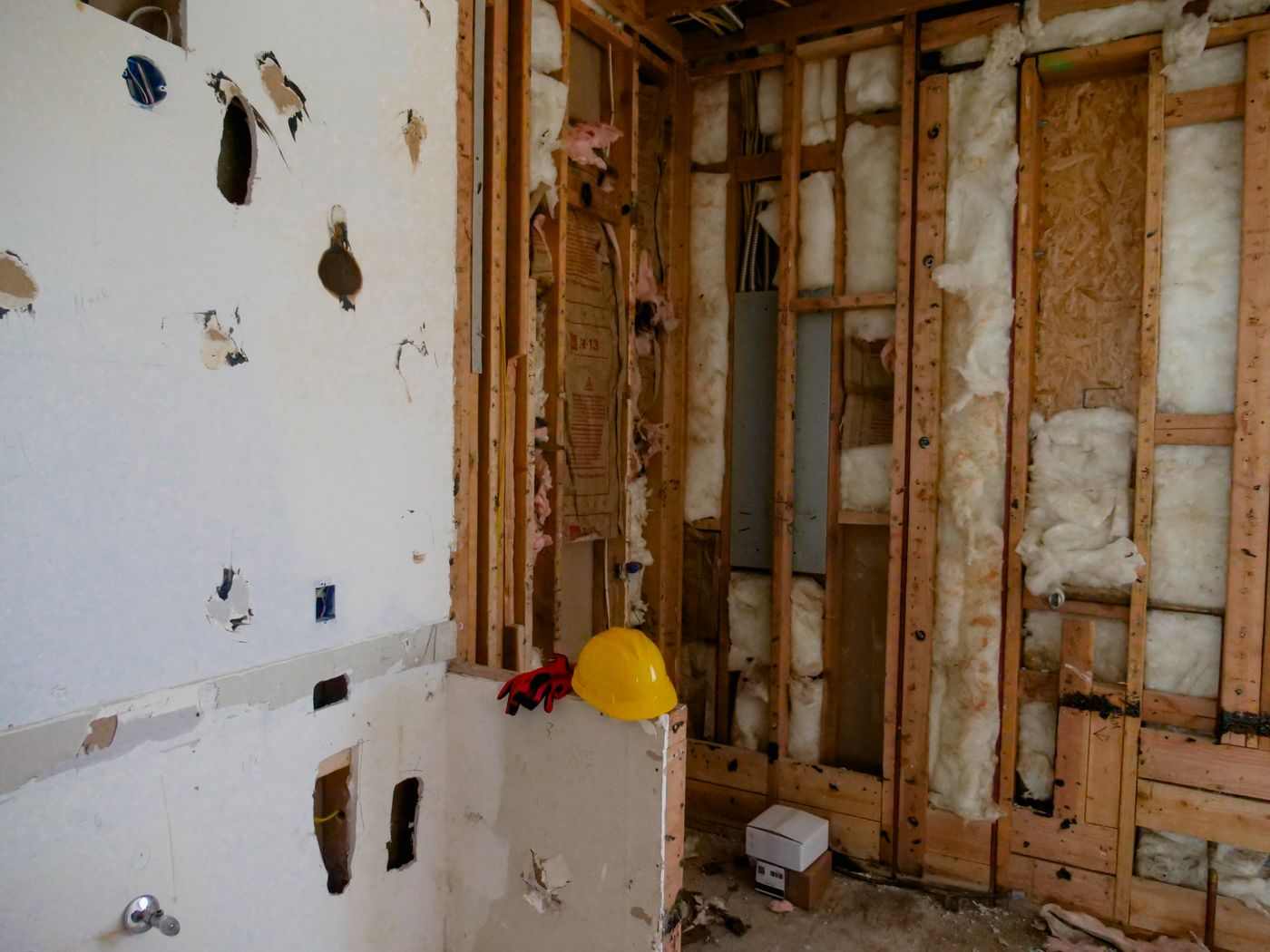
Insurance claims after water, fire or storm damage
A plain guide for Columbus homeowners: the usual steps, what to document, and what we do and do not do.
This page is general information, not legal advice or advice about your policy. Your policy and your insurer decide what is covered.
Before you start
- Your deductible is always yours to pay.
- We document the damage and share it with your adjuster at your direction.
- We are not public adjusters.
How it works
How a claim usually goes
Make it safe
Get people out of danger and stop the damage from spreading, if you can do it safely. Most policies expect you to limit further damage.
Call your insurer
Report the damage soon. Write down the claim number and the name of the person you spoke with.
Photograph everything
Take photos and video before cleanup, and keep damaged items until the adjuster has seen them or says you can throw them out.
Stop the damage
Drying and board-up help keep the damage from growing. Keep the receipts and records of this work.
Meet the adjuster
The adjuster from your insurer inspects the damage and writes an estimate. Share your photos and records.
Repairs
Once your insurer decides the claim, repairs can start. Your insurer pays according to your policy; what you owe for the work is set by the agreement for that work.
Good to know
Ohio rules on claim timing
Ohio's rules for insurers set time limits for answering you and for deciding a claim (Ohio Administrative Code 3901-1-54). If your insurer is not answering, you can call the Ohio Department of Insurance.
Questions
Coverage basics
Sudden or gradual?
Policies usually cover sudden, accidental damage, like a burst pipe, and often leave out damage from a slow leak or from wear over time.
Flood or sewer backup?
Water rising from outside is flood damage, which most homeowners policies leave out; it needs a separate flood policy. Water backing up through a drain often needs a sewer backup add-on to your policy.
Renting, or in a condo?
A renters policy usually covers your belongings, not the building. In a condo, the association's policy and your own policy usually split the building and your unit.
Questions
Claim questions
Do I have to pay my deductible?
Yes, always. Your deductible is the part of the loss you pay before your policy pays. A contractor who pays or skips it but still bills your insurer the full price is hiding the real price from your insurer, and Ohio law can treat that as fraud.
Do I have to use the company my insurer suggests?
Usually not. In most cases you choose who works on your home. Some policies let your insurer have the repairs done by a contractor it picks instead of paying you for them. Check your policy, and tell your insurer who you chose.
Can you talk to my adjuster for me?
We can share our photos, moisture readings and estimate with your adjuster when you ask us to. We do not negotiate your claim: we are not public adjusters.
Should I wait for the adjuster before drying starts?
Usually not. Most policies expect you to limit further damage, so drying often starts before the adjuster visits. Tell your insurer about the work, and keep photos and records of what was done and why.
Questions about the work on your home? Call us.
Call (614) 579-066124/7 Emergency Response