Burst or frozen pipe in Columbus, OH
Shut off the water first. Then call, and use the time while you wait to keep the damage small.
Safety first
Shut the main valve now
The main shutoff is usually where the water line comes into the house, next to the water meter: often in the basement, a utility room or a crawl space. Turn a round handle clockwise until it stops. A lever handle is closed when it sits across the pipe.
If the valve sits in water near outlets or cords, leave it. Stay out of the water, call your electric utility, then call us.
If the valve will not turn, do not force it. Call your water utility.
What to do
Who to call first
Water near electricity: call your electric utility. Smell gas: leave the house and call 911 from outside. Otherwise, call us once the water is off, or if you cannot get it off.
What to do
While you wait
- Open the faucets nearest the break to drain the water left in the pipes.
- Photograph the break, the wet rooms and anything damaged before you move it.
- Move rugs, boxes and electronics out of the water if it is safe.
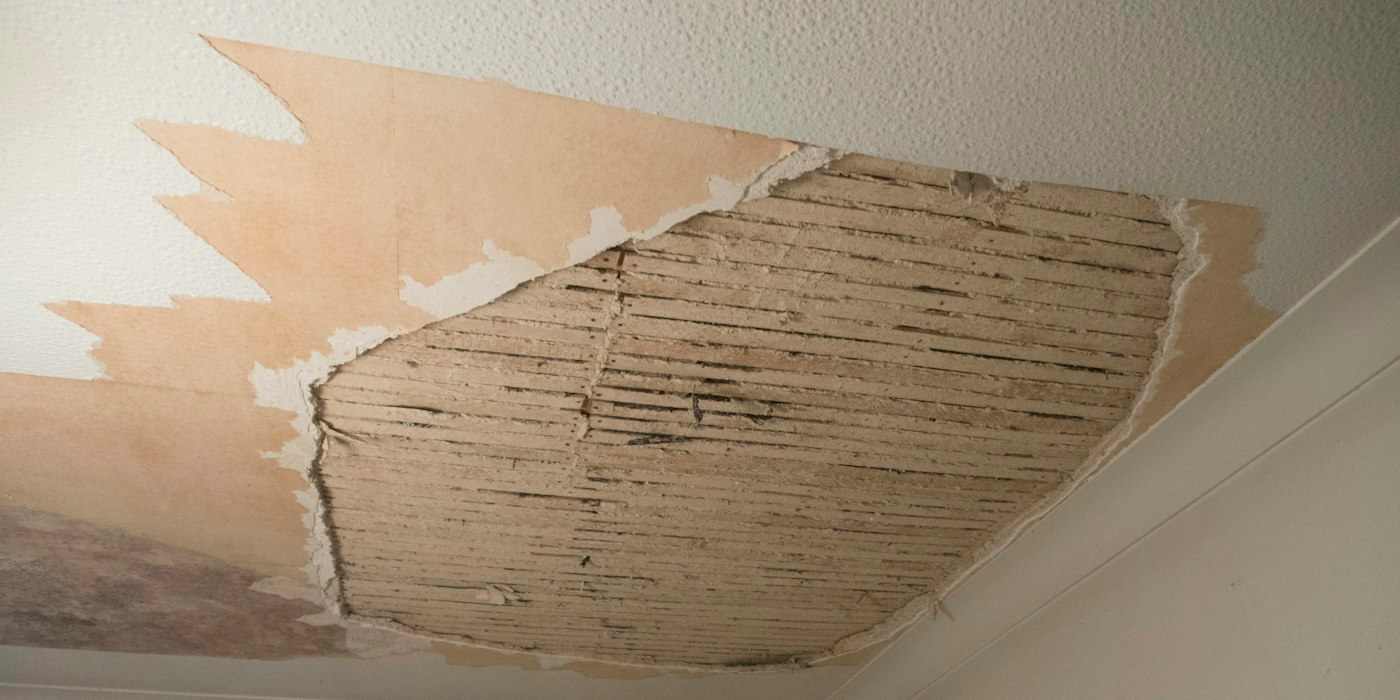
- Catch drips with buckets and towels, and keep people out from under a sagging ceiling.
- Never thaw a frozen pipe with an open flame. A hair dryer is safer, used away from any standing water.
Water is off and you are not sure what comes next? Call us.
Call (614) 579-0661How it works
What happens next
We find the wet areas with moisture meters, remove the water and any materials that cannot be dried, and dry the rest with air movers and dehumidifiers. You approve the plan before work starts. Drying often takes 3 to 5 days, and sometimes longer.
Good to know
Before the next cold snap
- Know where your main shutoff is, and check that it turns.
- Keep the heat at 55 degrees or higher, even when you are away.
- On the coldest nights, open the cabinet doors under sinks on outside walls and let a faucet drip.
- Disconnect garden hoses and shut off outside faucets in the fall.
Questions
Burst pipe questions
Should I wait for the plumber before I call you?
No. A plumber fixes the pipe; the water on your floors and in your walls needs drying either way. Call both.
A pipe is frozen but not leaking. What do I do?
Open the faucet it feeds, then warm the pipe slowly with a hair dryer or warm towels, starting near the faucet. Never use an open flame. If you cannot find or reach the frozen spot, call a plumber.
Does my policy cover a burst pipe?
Sudden breaks are often covered; damage from a slow leak, or from a house left without heat, may not be. Your insurer decides.
How long until the house is dry?
Drying often takes 3 to 5 days, and sometimes longer. The moisture readings, not the calendar, show when drying is done.
Do you fix the pipe or do the repairs?
No. A plumber fixes the pipe, and rebuilding walls or floors is a separate job for a contractor you choose. If you ask, we can share our records with them to show what needs repair.
24/7 Emergency Response